Monday, September 28, 2009

My New Office

Here I am at Blog Central.


An office warming gift from my mom, Melinda. Thanks mom!


And finally, a place to store my "I Gave a Buck" t-shirts. If you are interested in purchasing a t-shirt for $15 or $17 for 2XL (plus shipping and handling), please contact my store manager, Nicole Davis at ndavis@gsp-kc.org. All proceeds go directly to support the fight against HIV/AIDS in the Kansas City area.


Friday, September 25, 2009

If You’re in Washington DC This Evening….

On September 25, 2009, the National Minority AIDS Council (NMAC) will be hosting “An Evening Without Politics: A Benefit Reception” which will take place during the 39th Annual Congressional Black Caucus Foundation Legislative Conference. With HIV infection rates steadily climbing in African American communities, the NMAC is planning to announce a new AIDS education initiative at Historically Black Colleges and Universities (HBCU).

The HBCU HIV/AIDS Peer Education Initiative focuses on an “each one, teach one” delivery system. Participating schools will be Virginia Union University, in Richmond, VA; Howard University, Washington D.C.; and Bowie State University, Bowie, MD. Selection of these universities also addresses the disproportionate number of HIV infections in the Washington D.C. area. According to data gathered by the Government of the District of Columbia, Department of Health, Division of HIV/AIDS, three percent of all residents of the District of Columbia are living with HIV or AIDS, the highest infection rate in the United States.

Paul Kawata, Executive Director of the NMAC stated, “We need a national, comprehensive and coordinated strategy to address HIV/AIDS, a plan that requires the same level of accountability and transparency that we demand of other countries when we give them funding to address HIV/AIDS. As part of that strategy, we must continue to address socio-economic disparities, such as unemployment, lack of insurance, homelessness, poverty and lack of education, that have helped foster the AIDS epidemic in the U.S., particularly in communities of color.”

Proceeds from tonight’s reception will benefit the HBCU HIV/AIDS Peer Education Initiative and technical assistance to minority community and faith-based organizations in Washington D.C.

Image from http://www.nmac.org/

Wednesday, September 23, 2009

What is HPV? STD Spotlight

What is HPV?

HPV stands for human papillomavirus. There are 40 types of genital HPV infection. The virus infects the genital area, such as the skin of the penis, vulva (area outside in vagina), the anus and the linings of the vagina, cervix, and rectum.

How common is HPV?

Genital HPV is the most common sexually transmitted infection. According to the Centers for Disease Control, 20 million Americans are currently infected with HPV, and another 6.2 million people become newly infected each year. The Centers for Disease Control also notes at least 50 percent of sexually active men and women will have a genital HPV infection in their lives.

How can you tell if you have HPV?

There are two types of HPV, low-risk and high-risk. According to womenshealth.gov, low-risk HPV can cause genital warts, weeks, months, or years after sexual contact with an infected person.

In women, warts form:
  • Inside and around the outside of the vagina
  • On the vulva ("lips" or opening to the vagina) cervix, or groin
  • In or around the anus

In men, genital warts can grow:

  • On the penis
  • On the scrotum, thigh, or groin
  • In or around the anus

In rare cases, genital warts can grow in the month or throat of a person who had oral sex with an infected person.


Genital warts can vary in appearance. They may be bumpy or flat or so small that they can not be seen. Warts can cause discomfort, itching or burning. However, not everyone infected with HPV gets warts or any other symptoms.

High-risk HPV, the type that causes cervical cancer, can be found during Pap tests. Since many women with HPV infections do not know their status, it is important to maintain a yearly schedule of Pap tests.

While HPV is as common in men as women, it rarely is the source of health problems in men. However, it can lead to anal cancer in men who have sex with men.

What are the treatments for HPV?

While there are treatments for genital warts and changes to the cervix created by HPV, there is no treatment or cure for HPV.

How can HPV be prevented?


  • Abstain from sexual contact
  • Keep your sexual relationship monogamous
  • Use a condom every time for vaginal, anal, or oral sex. While condoms are not 100 percent effect in preventing HPV, they reduce the risk for a variety of sexually transmitted diseases.

What about the vaccine?

The HPV vaccine known as Gardasil® has some limitations. Currently, the vaccine is given to females between the ages of nine to 26. It protects against four of the 40 types of HPV. According to studies, it is effective in preventing 70 percent of cervical cancers, if females are fully vaccinated (three doses) before they have sex for the first time. The protection lasts for five years.

For information on a male HPV vaccine, see my twitter post from 9/21/09 (http://twitter.com/thebuckreport)


Information adapted from the Centers for Disease Control and www.womenshealth.gov

Tuesday, September 22, 2009

Did Anyone Watch 20/20 on Friday?


I was enjoying a nice night in. Sweats on, a bowl of Dark Chocolate Moose Munch, and sole possession of the remote, it had all the markings of a perfect end to the week. Flipping through the channels I found 20/20 and the story of Philippe Padieu.

Philippe Padieu was sentenced to 45 years in prison on charge of aggravated assault with a deadly weapon. The weapon was HIV. He had been diagnosed in September of 2005 and knowingly spread HIV to (at least) six women. Thirty-three states have some type of law that is specific to willful spread of HIV. However, Texas does not currently have an HIV law, hence the aggravated assault charge.

During the trial, DNA sequencing was used for the first time in Texas and only the third time nationally. The DNA sequencing found Padieu to be the common link in the HIV strain present in all six women. More distressing is that his girlfriend from the mid 1990 came forward and stated that she believed Padieu was the source of her HIV. She was tested and again the DNA sequencing led to Padieu. This fact shows that he had been spreading HIV for more than a decade.

I found several factors of this case disturbing. First, Padieu told each woman that he was tested for HIV and other STDs every year and each woman believed they were in a monogamous relationship. One woman, his girlfriend of four years, asked him point blank if his HIV test results were negative and he replied that he had tested negative. Secondly, by the time two of the women (who had been sick for quite some time) were given a HIV test by their health providers each had a CD4 count of less than thirty, which means they had AIDS. Most of the women were in their late 40s through their 50s. Stereotypically, they are not the face of HIV. However, people over the age of 50 now account for over ten percent of new infections annually. Lastly, knowing that one of his victims was from the mid 1990s, how many people did he infect?

This case brings to light the difficult issues of HIV prevention specifically and public health in general. When you are counting on personal responsibility and ethics to prevent disease, some people will make choices that will lead to the harm of others. In a nutshell, this is what makes HIV prevention a challenge. Each person in a relationship needs to know their status and be honest with their status, sexual and drug histories, and their intent in the relationship. If Philippe Padieu had been forthcoming with his status, he would have maintained his freedom.

Friday, September 18, 2009

Interview With Chana Robinson, Director of Case Management Services


Today I interviewed Good Samaritan Project employee, Chana Robinson to discuss her role at the agency. Chana is the Director of Case Management Services.

Bucky: You are the Director of Case Management Services. What does that mean?

CR: I supervise the case management department. There are eight case managers. In addition, I carry a small case load.

Bucky: How long have you been at Good Samaritan Project?

CR: I have been here for seven years, eight in April of 2010.

Bucky: What changes in the system have you seen since you have been here?

CR: Initially, more services were available, transportation, emergency assistance, a food pantry specifically for people with HIV. When I first started HIV was not considered a chronic illness but a death sentence. Now, people are living healthy and positive with HIV.

Younger people are involved with case management. When I started, most clients where between the ages of 30-45, maybe 47. Now we are seeing 18, 17 year olds coming into case management. We are also seeing more people that are newly diagnosed at 50, 60.

Refugees and the immigrant population are increasing. When I started, we would have one or two per case load. Now, about twelve percent of the case load is refugee or immigrants.

Bucky: Why have we seen the increase in these cases?

CR: People are coming over with student or work visas. Also, women are coming to have babies and go back to their country after initial testing of the newborn is completed. Newborns receive an initial test and then are tested at six months. We keep their files open for eighteen months.

Bucky: What changes have you seen in the staff?

CR: Over the years, staff has changed to new college graduates from seasoned case managers. Staff tended to be further in their career, where as now, this job is more foundational.

Bucky: Does Good Samaritan Project have a lower turnover rate for case managers? Isn’t the national average eighteen months?

CR: We have a lower turnover rate than other HIV management sites. I check in with case managers especially around the eighteen month point. I encourage case managers to take vacations, days off and breaks during the day.
Bucky: What changes will we see in the future to services?

CR: About 500 people per year get diagnosed with HIV in the state of Missouri. Of those 500, 250 will qualify for Ryan White services. The system will have to adjust to continue to provide services to long-term clients, as well as, providing services to the newly diagnosed.

Bucky: Wow, that’s food for thought. Thanks for being interviewed for The Buck Report.

Wednesday, September 16, 2009

AIDS Bicycle Challenge 2009


It was so great meeting all of you at the AIDS Bicycle Challenge! Thanks to everyone that came by to say hello, buy a t-shirt, and the like. The weather was great and the ride was very successful. A big thanks to Tom Ericksen and Brian Williams, our volunteers at the event.


For more photos of the AIDS Bicycle Challenge, please visit our website www.gsp-kc.org.

Tuesday, September 15, 2009

What is HIV? STD Spotlight

What is HIV?
HIV stands for human immunodeficiency virus. This is the virus that causes AIDS. HIV is different from most other viruses because it attacks the immune system. The immune system gives our bodies the ability to fight infections. HIV finds and destroys a type of white blood cell (T cells or CD4 cells) that the immune system must have to fight disease.

What is AIDS?
AIDS stands for acquired immunodeficiency syndrome. AIDS is the final stage of HIV infection. It can take years for a person infected with HIV, even without treatment, to reach this stage. Having AIDS means that the virus has weakened the immune system to the point at which the body has a difficult time fighting infections. When someone has one or more of these infections and a low number of T cells, he or she has AIDS.

Where did HIV come from?
Scientists identified a type of chimpanzee in West Africa as the source of HIV infection in humans. The virus most likely jumped to humans when humans hunted these chimpanzees for meat and came into contact with their infected blood. Over several years, the virus slowly spread across Africa and later into other parts of the world.

How is HIV transmitted?
The most common ways that HIV is transmitted from one person to another are:
By having sex with an HIV-infected person
By sharing needles or injection equipment with a person who is infected with HIV
From HIV-infected women to their babies before or during birth, or through breast feeding.

How does HIV cause AIDS?
HIV destroys a certain kind of blood cell (CD4+ T cells) which is crucial to the normal function of the human immune system. In fact, loss of these cells in people with HIV is an extremely powerful predictor of the development of AIDS. Studies of thousands of people have revealed that most people infected with HIV carry the virus for years before enough damage is done to the immune system for AIDS to develop. However, sensitive tests have shown a strong connection between the amount of HIV in the blood and the decline in CD4+ T cells and the development of AIDS. Reducing the amount of virus in the body with anti-retroviral therapies can dramatically slow the destruction of a person’s immune system.

How do I know if I have HIV?
The only way to know if you are infected is to be tested for HIV infection. You cannot rely on symptoms to know whether or not you are infected. Many people who are infected with HIV do not have any symptoms at all for 10 years or more.

This information is from AIDS.gov

Friday, September 11, 2009

Shout Out to Blue Collar Press – The Bucky Shirts are In!


Yesterday, I drove out to Blue Collar Press (www.bluecollarpress.com) in Lawrence to pick up our t-shirts for the www.buckaids.org launch. They look stellar! Come pick one up at the AIDS Bicycle Challenge on September 12th (or available during regular Good Samaritan Project business hours 8:30 to 5:00, Monday-Friday).

Our shirts are 100% Cotton, American Apparel shirts (Standard American cut). Available in sizes S, M, L, XL, and 2XL. Colors: Heather Grey or Cranberry. Made in USA.
Price: $15.00 each $17.00 for 2XL

Thursday, September 10, 2009

Teens Leading the Charge in Creating HIV Awareness for Peers


I came across this great website today, www.nololinhiv.org. It is a website for teens by teens with YouTube videos, ask an expert area, a directory of teen AIDS service organizations, profiles of peer educators, and more. Be sure to check them out!

Wednesday, September 9, 2009

Bucky's Book of the Month


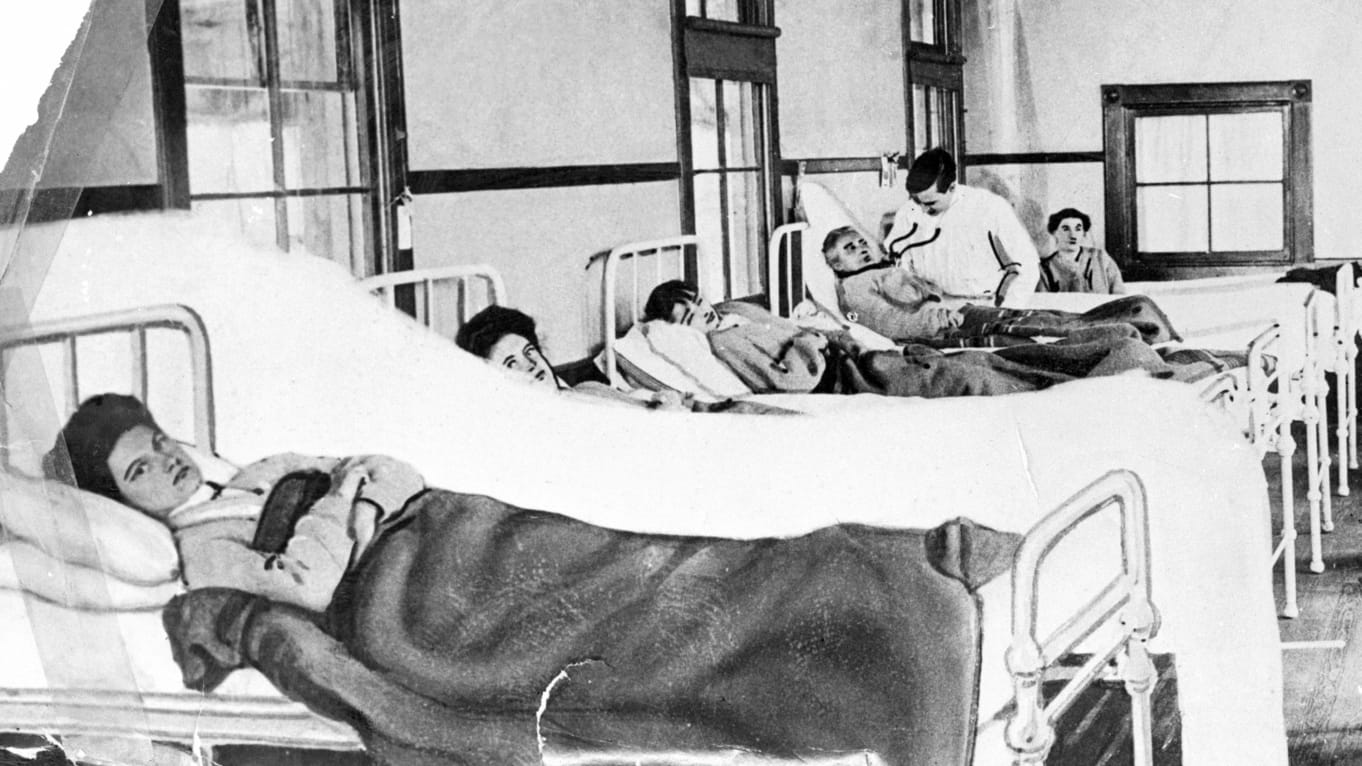
This month I’ll be reading Typhoid Mary by Anthony Bourdain (yes, that Anthony Bourdain, star of No Reservations (Travel Channel) and former executive chef of Brasserie Les Halles.) Typhoid Mary is a historical novel about Mary Mallon, infamous public health bad girl and first identified healthy typhoid carrier. Throughout her career as a cook, Mallon infected 53 people and died in state-ordered quarantine. Tune in later this month for the book review.

Friday, September 4, 2009

Elite Controllers and the Promise They Hold in HIV Research.

As the social marketing intern at Good Samaritan Project, I spend a lot of time reading about developments in medical research. One topic I find fascinating is elite controllers.
What are elite controllers? While the term sounds like a reference to accounting and finance, elite controllers are HIV positive individuals that are long-term non-progressors. According to an article from AIDS Research Institute at University of California, San Francisco, elite controllers “without the help of any drugs, they somehow keep the virus from replicating uncontrollably and prevent the virus’s lethal damage to their immune system.” These individuals have low to undetectable levels of HIV in their blood and maintain high CD4+ counts.

The factors that keep individual’s HIV levels from rising may be the key to better treatment methods. However, Stephen Deeks, a professor in the Department of Medicine at UCSF, notes, “The key issue is that probably no one factor will be sufficient. So, it is likely a complex situation in which elite controllers have one, two, or three things that help them control the virus.” In order to determine these factors, data on the genetic differences between elite controllers and non-controllers must be collected and analyzed. More than 300 samples from elite controllers have been donated to the international HIV controller consortium and whole-genome scans are being conducted.

A major barrier to this type of research is cost. Of collecting the data, Deeks remarked, “It costs about $5,000 per person per year.” In addition, the risk to reward ratio in working with elite controllers is high. Yet working with these individuals holds the promise of a better life for those infected with HIV. Deeks states “Elite controllers are not cured, but they are as close to it as possible. We think of them as being like individuals who have had cancer and are in remission. So, we think of elite controllers as the reasonable goal for the treated population.”

Adapted from the article UCSF Researchers Study Elite Controllers So Much Promise Requires Risky Research by Sandra Spence.

For more interesting developments in HIV research see this article http://www.reuters.com/article/asiaCrisis/idUSN03116297

Thursday, September 3, 2009

Frequently Asked Questions about buckaids.org.


What is buckaids.org?

Buckaids.org is Good Samaritan Project’s website for Micro-donations.

What is a Micro-donation?

According to Wikipedia Micro-donations are a form of charitable donations that in general are an amount under $10. Micro-donations vary in size yet target a large audience to make up for their small increments through quantity. Micro-donations in the past have been used most effectively by companies collecting spare change at registers and checkouts.

(I know, I know, I used a Wikipedia definition in a blog post. My mom, the journalism major, is flipping out right now and is probably on her way to my loft with her bedraggled copy of Good Night and Good Luck. But, I digress)

Why is Good Samaritan Project asking for Micro-donations?

Online Micro-donations is a great way to introduce young and/or first-time donors to a cause. It is our goal to grow these donors into life-time givers and supporters of Good Samaritan Project. We are very interested in getting children and teens involved in donating, generating in-kind donations, and participating in service projects and special events. Through buckaids.org, we aspire to develop the donors, board members, and volunteers of tomorrow.

Why is Good Samaritan Project asking for just a buck?

With the current state of the economy and our target demographic (young and first-time donors), Good Samaritan Project is reducing barriers to giving. By asking for one buck, nearly everyone can be included in the giving process.

What can you do with a buck?

It’s not about what one solitary dollar can do, but what a community of donors can accomplish together. Buckaids.org links the power of each individual donation to the needs of Good Samaritan Project.

How much of each dollar goes to Good Samaritan Project?

Ninety cents of every dollar goes directly to funding the mission of the Good Samaritan Project.

What is the process of giving on buckaids.org?

Visit buckaids.org and hit the Paypal button. If you do not have a Paypal account, you can create one by going to http://www.paypal.com/. Paypal is used by companies such as eBay, overstock.com, and many other online companies.

When does buckaids.org launch?

On September 12th, www.buckaids.org will go live.

Come meet Bucky at the AIDS Bicycle Challenge on September 12th from 10:30-12:30 at the Good Samaritan Project booth. The booth will be located in the LIVE! Block of the Kansas City Power and Light District.