Tuesday, December 22, 2009

Thank You Sidestreet Bar and Grill!


Sidestreet Bar and Grill (located at 413 East 33rd Street, Kansas City, MO 64109) collected toys, books, and games for the Children’s Holiday Party. They collected over thirty items for us to give out. Thanks again for your support!

Monday, December 21, 2009

Thank You Simon International Toys!

Simon International Toys has generously donated over fifty stuffed animals to the Children’s Holiday Party, including this lovely Super Grover. This Super Grover will be one of prizes in the raffle at the party. Thanks again Simon International Toys!

Monday, December 7, 2009

Gee Bucky, What Should I Read Next?

Yes, it is that time again, time for another Book of the Month selection. This month we will be reading My Pet Virus by Shawn Decker. HIV-positive since the age of 11, Decker decided to write a humorous take on life with the virus. Here is a description in his own words.

I wrote a book about my life from birth until age 29. It's called My Pet Virus, The True Story of a Rebel Without a Cure. Some have called it the funniest book about AIDS ever written. Others have called it the only funny book about AIDS ever written.

My life is not a pity party. I've gotten away with a lot, and the book is a humorous look at some of the situations I've encountered along the way. I'm happy to be alive, and even happier that I lived to tell my story in a way that others have found to be an enjoyable read.


Join us in reading My Pet Virus.

Wednesday, December 2, 2009

Thanks Learning Tree!

This Monday, I went shopping for the Children's Holiday Party at The Learning Tree. The staff gave us great advice on toys and a generous discount (plus we got to shop before the store was open). Thank you so much for making the holidays magical for children affected by HIV/AIDS!

Visit their website at http://www.the-learning-tree.com/

Tuesday, December 1, 2009

World AIDS Day


Today is World AIDS Day. Started on December 1, 1988, World AIDS DAY, this year’s theme is Universal Access and Human Rights.

Here are the facts about the effect of HIV/AIDS on the global population.
· 33.4 million people are living with HIV
· Of people living with HIV, 2.1 million of those infected are children
· In 2008, there were 2.7 million new HIV infections
· In 2008, there were 2 million deaths from AIDS
(Statistics from UNAIDS)

This World AIDS Day, do your part to make HIV/AIDS a part of the past. Get tested, have your partner get tested, protect yourself, and educate yourself and others.

Wednesday, November 25, 2009

Book of the Month - The Naked Truth

The Naked Truth: Young, Beautiful, and (HIV) Positive by Marvelyn Brown with Courtney E. Martin is a portrait of a woman that used her diagnosis to educate others about the realities of HIV. Her story began as a young girl in Nashville, Tennessee, the daughter of a strict and success-driven mother and a free spirited, drug-addicted father. She had lived a good deal of her life seeking approval from her mother, love from her father that led to unhealthy relationships with boyfriends throughout her late teens.

Reading her memoir, I was struck with the many elements in her life that created the perfect environment for HIV. When Marvelyn was diagnosed in 2003 at the age of 19, she did not know anything about HIV. After her doctor revealed that she was positive Marvelyn, who worked at a daycare thought,


“must be those preschoolers, I thought shaking my head. Their noses were always running. Their hands were always dirty. They coughed endlessly. Images of all the times I interacted with the kids flashed through my head – holding their hands, helping them clean up after snack time, changing their diapers. It seemed like the most likely time I could have gotten HIV.”


This points to a failure in getting public health information into the hands of the public. Considering her diagnosis was in 2003 and not 1983, it is shocking that she had no information on HIV. Marvelyn noted in the book that the health message from her family and the community were limited to “don’t get pregnant” and “don’t smoke.” Never, not in school, or at home was the subject of preventing HIV (and one can assume other STDs) explained.

Since her diagnosis, Marvelyn has made prevention education her mission. Working for Nashville CARES, then POZ and finally starting her own global HIV consulting organization, Marvelous Connections, Marvelyn uses her life to bring HIV into the light. Her book is frank, hard-hitting and reminds us that HIV is something that affects anyone and everyone.

Visit her website at http://www.marvelynbrown.com/

Tuesday, November 24, 2009

What is Genital Herpes? STD Spotlight

According to the Centers for Disease Control and Prevention, 45 million individuals in the United States have had a genital herpes infection. This sexually transmitted disease has two types, herpes simplex viruses type 1 (HSV-1) and herpes simplex viruses type 2 (HSV-2). Approximately one out of four women and one out of eight men have had HSV-2.

How is genital herpes transmitted?

Sores caused by HSV-1 and HSV-2 can release the virus. However, transmission can occur from areas without a visible sore. HSV-1 is commonly associated with infections of the mouth and lips. This virus is passed during oral-genital or genital-genital contact with an infected person. HSV-2 is transmitted through sexual contact with a person that has an HSV-2 infection.

What are the symptoms?

A symptom of genital herpes is painful sores in or around the genitals or rectum. These sores are recurrent and can be more severe in people with suppressed immune systems. In the first year of a herpes diagnosis, individuals will have several outbreaks.

In particular, genital herpes can be fatal to babies. Women with active genital herpes generally deliver their babies via cesarean to avoid passing the infection to their newborns.

How is genital herpes diagnosed?

HSV-2 can be diagnosed by a visual inspection during an outbreak and/or taking a sample from a sore. Between outbreaks, a blood test may be used to detect antibodies to HSV-1 and HSV-2.

What is the treatment for genital herpes?

Herpes can not be cured. The use of antiviral medications can reduce the length of an outbreak. To reduce the possibility of transmission to sexual partners, daily suppressive therapy may be used.

How can you prevent transmitting genital herpes?

Abstaining from sexually activity or being in a monogamous relationship with a partner that has tested negative for STDs prevents the transmission of herpes. Use of latex condoms can reduce the risk of getting an STD.

A person can still transmit herpes even if they do not have symptoms or visible sores. Individuals with herpes should not engage in sexual activity with uninfected partners if they have a sore or other symptoms.

Is there any link between HIV and genital herpes?

Genital herpes, like other STDs, makes it easier to transmit HIV and makes individuals more susceptible to becoming HIV positive.

Information adapted from CDC Fact Sheet on Genital Herpes

Monday, November 23, 2009

Fun with the Three French Hens

Welcome to 3 French Hens at Town Center Plaza!

I love this tree!


My favorite cousin came out for the event.


Thank you to 3 French Hens and Amore Chocolate Pizza Company for a wonderful event and to all the friends of GSP that came out to support this fab fundraiser!


Friday, November 20, 2009

Deer Santa,


I need this for my loft. (hint, hint Santa)


Wednesday, November 18, 2009

Cricket Anyone?

A year ago the Pakistan Society, an organization that assists people living with HIV, formed the First Positive Cricket Team. Comprised of HIV-positive team members, this team is using cricket, Pakistan’s national sport, to break through the stigma associated with HIV. According to the president of the Pakistan Society, Dr. Saleem Azam, “the stigma is the worst consequence of this illness, so it will be the greatest service to people with HIV if we are able to help them overcome this stigma.” After playing and winning their first match in August, First Positive is on its way to changing how individuals affected by HIV are perceived.
To read the full story visit http://www.cnn.com/2009/HEALTH/11/17/cricket.pakistan.hiv/index.html

Tuesday, November 17, 2009

What is Gonorrhea? STD Spotlight

Gonorrhea is on the rise in the United States. Sexually active teens, young adults and African Americans have been hardest hit by the rise in infection rates.

This sexually transmitted disease (STD) thrives in moist, warm areas such as the cervix, uterus, and fallopian tubes in women and the urethra in both men and women.

How is gonorrhea transmitted?

Gonorrhea can be transmitted through contact with the penis, vagina, mouth, or anus. Mothers can also spread gonorrhea to their baby during delivery.

What are the symptoms of gonorrhea?

Like so many STDs, many of those infected have no symptoms. In men that experience symptoms, two to five (or as long as 30) days after infection, they may have a white, yellow, or green discharge from the penis and/or a burning sensation when urinating. In addition, some men may have painful swelling of the testicles.

In women, symptoms are mild, often resembling signs of a vaginal or bladder infection. These symptoms include an increased vaginal discharge, burning sensation while urinating or vaginal bleeding between periods.

Painful bowel movements, bleeding, soreness, anal itching and discharge are common symptoms for rectal infections. Infections in the throat may be indicated by a sore throat. However, both rectal and throat infections may have an absence of symptoms.

What are the long-term effects of gonorrhea?

For men, epididymitis (a condition of the ducts attached to the testicles) may occur. This condition without treatment may cause infertility.

Gonorrhea in women can lead to pelvic inflammatory disease (PID). This disease has many health risks including chronic pelvic pain and internal abscesses. The fallopian tubes may be damaged causing infertility or ectopic (outside the uterus) pregnancy, which can be life-threatening.

If gonorrhea spreads to the blood or joints it can become life-threatening.

Babies born to women with gonorrhea may be blind, have joint or blood infections.

How is gonorrhea diagnosed?

A sample is collected from the site of infection and tested. If gonorrhea is in the urethra or cervix, a urine sample can be tested for diagnosis.

What are the treatment options for gonorrhea?

Antibiotics are used to treat gonorrhea. Unfortunately, many of the strains are becoming drug-resistant, making gonorrhea more difficult to treat.

Can gonorrhea be prevented?

Abstaining from sexual activities is the most effective way to prevent gonorrhea. If you are having sex, the second most effective way to avoid infection is to be in a monogamous relationship with a partner that has tested negative for STDs. Latex condoms can reduce your risk of getting an STD. Individuals with gonorrhea should avoid sexual activity until they have completed their treatment for gonorrhea.

Is there any link between HIV and gonorrhea?

Gonorrhea, like other STDs, makes it easier to transmit HIV. Likewise, individuals that test positive for both HIV and gonorrhea can transmit HIV easier than individuals without gonorrhea.

Information adapted from CDC Fact Sheet on Gonorrhea

Friday, November 13, 2009

Aging and HIV

When asked why the infection rates of America’s young people continue to rise, I often answer “the perception is that HIV is a chronic disease, almost curable through medication.” However, do we understand the consequences of living with a “chronic disease?” New York Magazine recently published an article by David France titled Another Kind of AIDS Crisis, about the long-term effects of HIV and medication use.

According to the article, “doctors are reporting a constellation of ailments in middle-aged patients that are more typically seen at geriatric practices, in patients 80 and older.” The author also notes “current life-expectancy charts show that people on HIV medications could live twenty fewer years on average than the general population.” Basically, many people with HIV are experiencing their golden years and all the health problems associated with aging in middle age. For many of us the age of fifty seems lifetimes away. For those with HIV, it may be closer than you think.

Especially troubling are changes in patients’ brain function. Patients are noting loss of memory, motor skills, and even personality changes. Researchers attribute the loss of function to HIV itself versus a side effect of medication. Fifty-two percent of all Americans with HIV have some form of cognitive impairment, compared with just ten percent people without HIV (under 60 years of age). The reason for this is HIV can be controlled in the bloodstream but continue to replicate in the brain.

In addition to changes in the brain, people with HIV are experiencing organ failure and bone loss at a much higher rate than their counterparts without HIV. The article states “HIV patients are registering higher rates of insulin resistance and cholesterol imbalances, and they suffer elevated rates of melanoma and kidney cancers and seven times the rate of other non-HIV related cancers.” Medical professionals are unsure if these conditions are the result of HIV or the medications.

The overlap of aging and HIV will be something that affects every person, whether they are infected or not. “In just a few years, half of all Americans with HIV will be 50 or over, according to projections”, explained French. Having to retire in their prime earning years, people with HIV will struggle with daily living expenses and the rising cost of health care. Since HIV research and development is a learn-as-you go prospect, who will be the pioneering medical professionals that will address this issue? Are medical schools equipping students to handle this ever changing disease? Are community resources prepared to take on this demographic?

This blog post started with the question “do we understand the consequences of living with a chronic disease?” Medications have made it possible to live longer with chronic diseases, such as HIV. Yes, you can live with a chronic disease, but with HIV you also have the opportunity to prevent it.

For the full article in New York Magazine http://nymag.com/health/features/61740/

Thursday, November 12, 2009

Sponsor a Child This Holiday Season

We're gearing up for the holiday season at GSP! There are many ways to be involved with all the hustle and bustle. Planning for the Children's Holiday Party is in full swing and we have a new way to be involved. You can sponsor a child ages newborn to eleven for $25 or a teen ages twelve to eighteen for $30. Visit the GSP website www.gsp-kc.org
to make a pledge or contact Nicole Davis at (816) 561-8784. Would you like to sponsor a child as a gift to family members or friends? We have lovely holiday cards available with the image shown at the left noting your generous donation on their behalf.
If you are interested in assisting with the planning for the holiday party, the next meeting will be Thursday, November 19th at 6:30pm at the GSP Missouri office. This office is located at 3030 Walnut, Kansas City, MO 64108. Please contact Nicole Davis for more details.

Monday, November 9, 2009

Thank You Linus!


Today I picked up a donation of 60 handmade blankets from Project Linus. The blankets will be given out at the Children's Holiday Party. Each blanket is beautiful. I can't wait to hand them out at the party! Thank you Project Linus for your generosity. For more on Project Linus, see our October 28th blog post.

Wednesday, November 4, 2009

3 French Hens

Once upon a time, there was a lovely Christmas Shoppe named 3 French Hens. Filled with generous spirits and armed with artistic talent, the 3 French Hens (named Sherrie, Danny, and Matt) decided to invite the friends of Good Samaritan Project to partake in their beautiful bounty. Better still, 25% of the proceeds from purchases will benefit GSP.

When: Sunday, November 15th
Time 3-7pm
Where: Town Center Plaza, 4825 W 117th St, Leawood, KS 66211
Website: http://www.3frenchhenskc.com/

In addition, the friends of 3 French Hens at nearby Amore Chocolate Pizza Company will also give 25% of their proceeds to GSP. Visit their delicious website at http://www.amorechocolatepizzacompany.com/

Monday, November 2, 2009

Bucky's Book of the Month for November


The Naked Truth: Young, Beautiful and (HIV) Positive by Marvelyn Brown with Courtney E. Martin is this month’s selection. This autobiography follows Marvelyn from a young girl hungry for love to a world-known HIV activist. Visit her website at www.marvelynbrown.com

Friday, October 30, 2009

Book Review: Not for Sale:The Return of the Global Slave-Trade and How We Can Fight It

David Batstone, in his book Not For Sale: The Return of the Global Slave Trade – and How We Can Fight It, wrote a heart wrenching, heartbreaking, and ultimately hopeful profile of human trafficking. The modern slave trade generates $31 billion per year and ranks third in criminal activity (after drug and arms smuggling) worldwide. No country is immune from its activities or its effects. My hometown, Kansas City, is a hotbed for human trafficking, Its highways, that link the east coast to the west coast, the north to the south, give opportunity for trucks carrying human cargo to remain hidden in plain sight.

The author was shocked when the San Francisco restaurant where he and his wife were frequent customers was exposed as part of a slave-trafficking ring. The dishwashers, wait staff, and cooks were slaves of the owner, Lakireddy Reddy. This experience led Batstone to explore the issue of the modern slave trade. He found “well over one hundred thousand people live enslaved at this moment in the United States, and additional 17,500 new victims are trafficked across our boarders each year.” According to the U.S. Department of Justice, they have prosecuted slave-trade cases in ninety-one cites and nearly in every state in the nation.

The book profiled former slaves and advocates working to stop human trafficking. Most of the stories were filled with inhumane treatment and unspeakable acts. Yet, the author weaved in glimmers of hope through the actions that advocates and the former slaves have taken to defeat slavery.

The last chapter contained information on what one person can do to end human trafficking. With slavery, there are the tangible ways you can make an impact, such as donating money and time. However, there are other everyday acts that need to be screened for the mark of human trafficking. Purchases such as food, clothing, and household items are often hotspots for slave labor. Derek Ellerman, co-founder of The Polaris Project, stated he “would like to see grassroots activists track the supply chain of every consumer product we buy to determine how it is produced. Armed with that data, we could shape a policy to hold companies accountable that use slave labor in any way to produce products that they offer to consumers in the United States.”

Big and small, acts must be taken to end slavery. The stories in Not For Sale were overwhelming at times, but worked as a reality check. My eyes and heart were opened to suffering of children, women, and men across the globe and in my backyard.

ADVISORY: This Book Deals With Mature Subject Matter.

Thursday, October 29, 2009

Dear Target, You Rock!

We send a big thank you to the Target on N. Madison Ave in Kansas City, MO for their generous donation of a gift card. Though their donation and a special discount, we were able to purchase sixteen coats for GSP’s kids. In addition, employees at Target set aside a rack of children coats that made for an easy shopping trip.

Target is known for their commitment to supporting the communities in which they operate. Five percent of the company’s income, over three million dollars per week, is put back into the community. Thank you Target!

Thank you to our new intern, Katy, for your assistance on the shopping trip. She kept us on budget and found great coats for our teens. Thanks Katy!

Wednesday, October 28, 2009

What a Wonderful World

Have you heard of Project Linus? The following statement is from the Project Linus website (http://www.projectlinus.org/)

Project Linus is comprised of hundreds of local chapters and thousands of volunteers across the United States. Each volunteer and local chapter all work together to help us achieve our mission statement, which states:
First, it is our mission to provide love, a sense of security, warmth and comfort to children who are seriously ill, traumatized, or otherwise in need through the gifts of new, handmade blankets and afghans, lovingly created by volunteer “blanketeers.”
Second, it is our mission to provide a rewarding and fun service opportunity for interested individuals and groups in local communities, for the benefit of children.
Together we have distributed over three million blankets to children in need since our inception in 1995.

The Johnson/Wyandotte County chapter has lovingly crafted and donated 60 blankets for the 19th Annual Good Samaritan Project’s Children’s Holiday Party. Thank you so much for your generous donation of handmade warmth!

Monday, October 26, 2009

Ryan White Program Extended

Funding for the Ryan White Program was extended to September 30, 2013. This funding functions as the payer of last resort for those infected by HIV and funds the case management portion of Good Samaritan Project. Nationwide, this funding is allotted 2.2 billion dollars and funds a variety of services, including direct care and education for health care professionals.

To learn more about one of the activists that made this funding possible, visit www.ryanwhite.com

Wednesday, October 21, 2009

October is Fair Trade Month

Yesterday, I was hanging out with my friend Emerson, his two kids and his wife, Ashley. With Halloween upon us, Ashley, who is super crafty (seriously, there isn’t anything she can’t build with a glue gun and stuff from the recycle bin) was pulling out items to make the kids' costumes. I asked, “Wow, making costumes seems to be a lot of work, why not buy their costumes?”

Ashley paused for a moment and said, “I like to make things, especially if I can make it with something that would otherwise become trash. When Em and I buy something, we ask ourselves a couple of questions. Do we need the item or do we something that would serve the same purpose? Can we make the item ourselves? If not, can we purchase the item from a locally based producer? Is the item fairly produced? Does it fund a cause we support? Your shirt is a great example of some of these principles.”

I looked down. I was wearing an “I Gave a Buck” t-shirt.


Ashley asked, “Your shirt is made in the USA, right?”

“Yeah,” I responded.

“That tells me that the worker that made that shirt was paid at least minimum wage, had the opportunity to use the bathroom when needed, had a lunch break and worked in an environment that was accessed for health risks. Also, if these protections were not in place, the manufacturer can be subject to fines. When items are made outside of the US, you can look for the Fair Trade Federation stamp. That stamp insures that the producers of the product were given a fair price for their goods and the working conditions are safe. You used a local printer, right?” asked Ashley

I nodded my head. “I could have used an online company, but Blue Collar Press always does great work and we get our orders on time. I didn’t want to worry about needing the t-shirts for an event and having to wait on a package being shipped from halfway around the world.”

After talking to Ashley, I did a little research. Did you know October is Fair Trade Month?www.fairtrademonth.org Do you know there are whole towns and cities dedicated to practicing fair trade? Check out this website http://www.firstfairtradetownusa.org/ Do you know we still have “I Gave a Buck!” t-shirts for $15, $17 for XXL (what are you waiting for? Contact my store manager, Nicole Davis ndavis@gsp-kc.org today!)

Monday, October 19, 2009

When Using Television as a Tool, Make Sure it’s the Sharpest One in the Shed

With a wide variety of media tools at our disposal, television has one of the longest track records (remember those after school specials?) The medical drama provides a unique format to present public health information. Its hour long format allows enough time to discuss symptoms, treatment, as well as prevention of disease. Is this format being used effectively?

A study conducted by Sheila Murphy, PhD and Heather Hether, MA of the Annenberg School for Communication and Victoria Rideout, MA of the Kaiser Family Foundation titled How Healthy is Prime Time? An Analysis of Health Content in Popular Prime Time Television Programs points to changes that need to be made in order to fully harness the power of television. The data shows the following:
The most common health topic found in top-rated TV shows was an unusual illness or disease. This topic appeared more than four times as often as heart disease, five times as often as cancer, and 20 times as often as diabetes – all more prevalent medical conditions among the American populace.
Health storylines are much more likely to focus on symptoms (65%), treatment (59%) and diagnosis (50%) than prevention (10%).

In addition, the study also noted few portrayals of access to care. Disparities between racial groups were also observed.

A different study (Television as Health Educator: A Case Study of Grey’s Anatomy) was conducted to research the use of television to impart public health information. The Kaiser Family Foundation worked with writers from Grey’s Anatomy, a medical drama based at fictitious Seattle Grace, to create a storyline regarding mother-to-child HIV transmission. With proper treatment the current rate of transmission between mother and child is less than two percent. Viewers were tested on this statistic one week before, one week after, and six weeks after the target episode. One week after the show 61% could correctly quote the statistic and after six weeks, 45% responded correctly. The six week response was still three times higher than before the episode aired. In addition, this information was passed in another form of media. The study found at least 35 blogs that referenced the statistic from the Grey’s Anatomy episode.

Another affect of the storyline, according to the study, was a shift in attitudes of the viewers towards HIV positive woman that have children. Before the broadcast, 61% of viewers thought it was “irresponsible for a woman who knows she is HIV positive to have a baby.” After the show, that number dropped to 34%.
Given Grey’s Anatomy’s experience with using a storyline to educate viewers about HIV, it was disappointing to hear some of the language used on Private Practice, a spin-off series of Grey’s Anatomy. Last Thursday, the cast struggled with an ethical issue related to HIV. A patient was in need of a kidney transplant, had been on the list for three years and she was given only days to live. Her sister was a match, however she was HIV positive and it was against the law to transplant the organ. One doctor remarked that the laws were outdated and treated HIV as a death sentence.
The problem with this episode was the language. Dr, Sam Bennett, played by Taye Diggs, used the offensive term “full-blown AIDS.” As explained on the HIV/AIDS Media Guide posted on the ACT (AIDS Committee of Toronto) website, “This term implies there is such a thing as “half-blown” AIDS.” A person only has AIDS when they present with an AIDS-defining illness such as an opportunistic infection.” Throughout the episode, the dialogue seemed to use HIV and AIDS interchangeably, instead naming two separate medical conditions. This episode did well at spotlighting an ethical issue, however it failed in educating the audience on language to discuss the disease. As noted by Victoria Rideout, vice president and director of The Program for the Study of Media and Health at the Kaiser Family Foundation, and author of Television as a Health Educator: A Case Study of Grey’s Anatomy “for better or worse viewers do absorb the health information they see on TV, so it’s important for these shows to get it right.”
Changing language on medical dramas would be a step in the right direction. Given the sexual storylines on both Grey’s Anatomy and Private Practice involving the main characters, maybe a better public health tool would be depicting safer sexual practices.


For more information visit http://www.gfem.org/node/385

Tuesday, October 13, 2009

Koala Survives Fire, Dies of Chlamydia

February of 2009 bought devastating wildfires to Australia, killing 170 people and destroying thousands of homes and acres of land. One survivor was a cute marsupial known as Sam the Koala. Sam had been living at Southern Ash Wildlife Shelter, where she had been treated for second and third-degree burns to her paws. While at the wildlife center, Sam was undergoing treatment for chlamydia.

Sam was having surgery to remove cysts caused by the chlamydia. During the surgery, her disease was found to be inoperable. A shelter spokeswoman, Peita Elkhorne noted, “It was so serve that there was no possible way to be able to manage her pain.” On August 6th, Sam was put to sleep.

Chylamydia is becoming another threat to the koala way of life. It is estimated that up to 50 percent of the Australia’s koala population have the disease. According to Professor Peter Timmus of Queensland University of Technology Institute of Health and Biomedical Innovation, chlamydia in koalas causes “infertility, urinary tract infections, and inflammation in the lining of the eyes that often leads to blindness.”

There is some good news for koalas. Researchers are developing a vaccine for koalas. Last year, trails began for eighteen koalas. “We’ve been able to develop the vaccine for koalas as a result of our studies on the development of human chlamydia vaccines done in the mouse model”, stated Professor Ken Beagley of Queensland University of Technology Institute of Health and Biomedical Innovation. However, vaccines for humans and koalas are still in the development stage.

Information adapted from Science Daily and Foxnews.com

Monday, October 12, 2009

What is Chlamydia? STD Spotlight

How is chlamydia transmitted?

Chlamydia is transmitted in the following ways:
Vaginal sex
Anal sex
Oral sex
Vaginal childbirth (from mother to child)

What are the symptoms?

About 50 percent of men and 75 percent of women have no symptoms when infected with Chlamydia.

In women, the symptoms are:
Abnormal vaginal discharge
Burning sensation when urinating
Lower abdominal pain
Low back pain
Nausea
Fever
Pain during intercourse
Bleeding between menstrual periods

In men, the symptoms are:
Discharge from penis
Burning sensation when urinating
Burning and itching around the opening of the penis

Chlamydia is also found in the throats of those having oral sex with an infected partner.

What are the long-term effects of chlamydia?

Since, a majority of people infected with chlamydia remain non-symptomatic, the long term effects reflect the result of individuals not receiving treatment. In women, chlamydia can spread to the fallopian tubes and/or uterus causing pelvic inflammatory disease (PID). The damage caused by PID can be permanent to the fallopian tubes, uterus and surrounding tissue leading to infertility, chronic pelvic pain and pregnancy outside the uterus (ectopic pregnancy).

Men rarely experience long-term effects. However, infections can spread to the tube that carries sperm from the testis (epididymis) and in rare cases, cause sterility.

According to the Centers for Disease Control (CDC), “rarely genital chlamydial infection can cause arthritis that can be accompanied by skin lesions and inflammation of the eye and urethra.”

How is chlamydia diagnosed?

Specimens collected from the site or urine can be tested.

How is chlamydia treated?

Chlamydia is treated with antibiotics.

How can chlamydia be prevented?

Abstaining from sexually activity or being in a monogamous relationship with a partner that has tested negative for STDs prevents the transmission of chlamydia. Use of latex condoms can reduce the risk of getting an STD.

What is the link between chlamydia and HIV?

According to the CDC, “women infected with chlamydia are up to five times more likely to become infected with HIV, if exposed.”

This information was adapted from CDC Fact Sheet on Chlamydia

Friday, October 9, 2009

Now Playing – Another Castro Movie Night

October’s Castro Movie Night benefits Good Samaritan Project. It will feature the movies Taking Woodstock and The Informant! Sponsored by Bella Realty.

When: October 15th
Where: Screenland Armour 408 Armour Road, North Kansas City, MO 64116
Time: Cocktails at 6:40, Taking Woodstock at 7:10, The Informant! At 7:30

How to purchase tickets: Purchase tickets on-line at www.gsp-kc.org or at the door. Tickets purchased on-line will be entered for a chance to win two tickets to GSP’s Holiday Homes Tour (a $75 dollar value).

General Admission - $8.00

Premier Seating - $12.00 Guaranteed seating in of the first three rows behind the VIP section.

VIP - $25.00 Includes deluxe reclining seat, NEW GSP Bucky t-shirt, and one raffle ticket.

Raffle: Tickets $1 or six tickets for $5.
Prizes: facial from Hollyday Aesthetics
$50 gift card to Serenity SpaThree night stay to The Royal in Cancun (airfare not included

Wednesday, October 7, 2009

What is Syphilis? STD Spotlight

What is syphilis?

Syphilis is a sexually transmitted disease passed from person to person through a syphilis sore called a chancre. Sores can occur on the lips, in the mouth, external genitals, vagina, anus or rectum. These chancres can be hidden from view due to the location.

What are the symptoms?

Some people remain non-symptomatic for years. However, there are three distinct stages: primary, secondary and latent.

In the primary stage, the appearance of one or more chancre will occur. The chancre is painless, round in shape, firm in texture, and small in appearance. The sore lasts between three to six weeks. Without treatment, syphilis continues to the secondary stage.

There are more symptoms in the secondary stage. This stage is marked by rashes and lesions, as well as, fatigue, weight loss, head aches, hair loss, sore throat and fever. The rash may appear on the hands and bottom of the feet as a rough, reddish brown spots.

In the latent stage, symptoms are not present, yet infection remains in the body. During the last stage of syphilis, damage may be found in the heart, brain, liver, eyes, blood vessels, nerves, bones, and joints. Due to the damage to these areas of the body, individuals can experience dementia, blindness, paralysis, and death.

How is syphilis diagnosed?

Syphilis can be detected by a blood test or by examining material gathered from a chancre.

How is syphilis treated?

If an individual has had syphilis for less than a year, a single injection of penicillin is the treatment. For individuals that have had syphilis for longer than one year, additional doses are required. Other antibiotics will treat syphilis for individuals allergic to penicillin.

What prevents the transmission of syphilis?

To prevent syphilis, either abstain from sexual contact or maintain a monogamous relationship with a partner who has tested negative for syphilis. Proper use of condoms can reduce the risk of syphilis. However, condoms that are treated with Nonoxynol-9 (N-9) are not recommended for preventing STDs. Likewise, individuals undergoing treatment for syphilis should abstain from sexual contact until all chancres are healed.

Are HIV and syphilis linked?

According to the CDC “there is an estimated two to five fold increased risk of acquiring HIV if exposed to that infection when syphilis is present.” The transmission of HIV is made easier by the chancres caused by syphilis.

Are there additional risks for pregnant women and their babies?
Syphilis carries many risks for babies. The syphilis can infect the baby causing stillbirth or having a baby that dies shortly after birth. Infants can be treated immediately after birth; however delaying treatment many cause seizures, developmental issues, or death. Since the health risks to infant are serious, pregnant women should be tested for syphilis.

This information was adpated from CDC Fact Sheet: Syphilis

Monday, October 5, 2009

Bucky’s Book of the Month for October

Not For Sale: The Return of Global Slave Trade and How We Can Fight It by David Batsone, follows modern day abolitionists in their struggle to free captives of human trafficking. Discover how you can join the fight against human trafficking, both at home and abroad. Visit http://www.notforsalecampaign.org/ for more information.

Friday, October 2, 2009

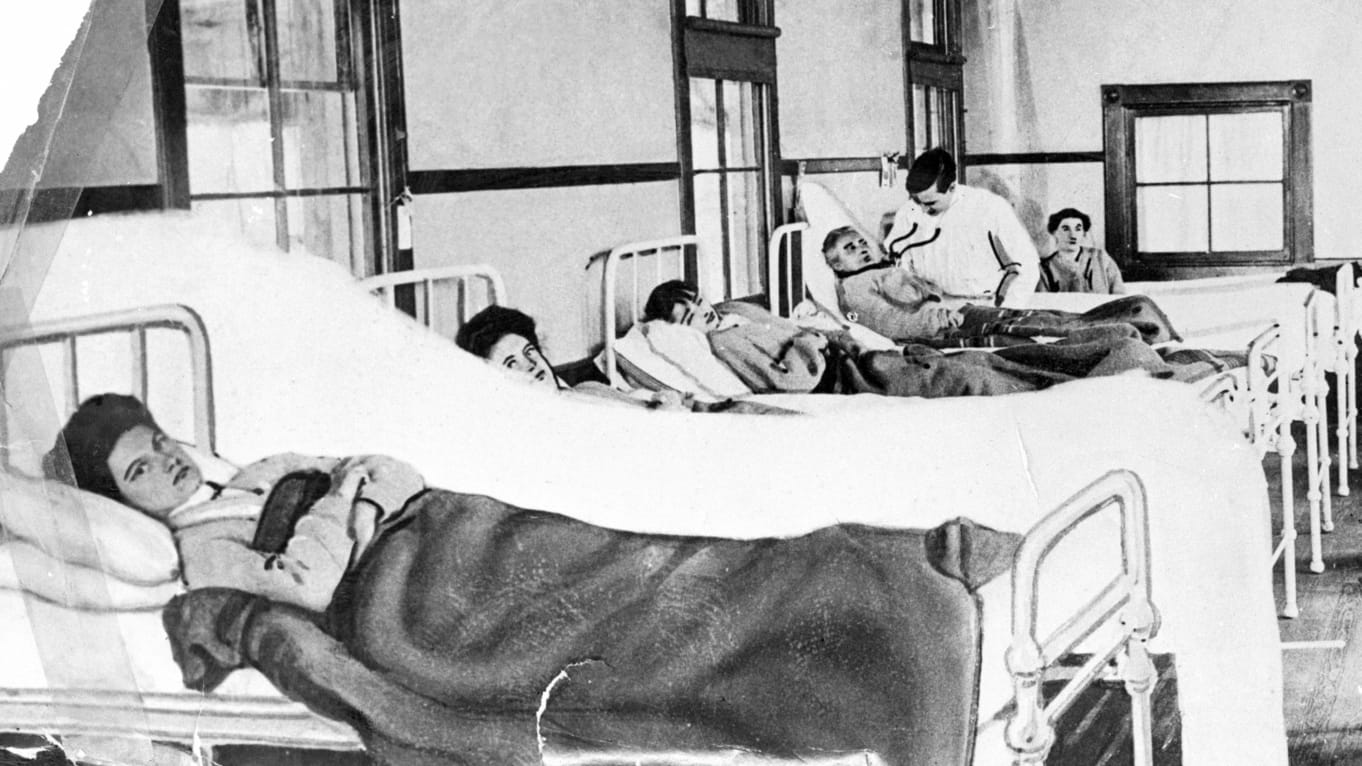
Book Review: Typhoid Mary

Typhoid Mary: An Urban Historical by Anthony Bourdain is more of a snapshot of a disease and time than a biographical account of Mary Mallon, the first known non-symptomatic carrier of typhoid. The interplay of classism, sexism, and disease is clearly defined in Bourdain’s account. Personally, I couldn’t help noticing similarities between the social climate of the late 1800s and the early days of the AIDS epidemic of the early 1980s.

New York and the country as a whole were in the middle of a foodie frenzy. Cooks for New York’s society families were expected to be well versed in a variety of cuisines. According to Bourdain, “cookbooks and fad diets and manuals on housekeeping and proper deployment and use of domestic help were all the rage.” Given the caliber of family that employed Mary, she would have been an accomplished cook. These families kept Mary in their employ even after she was suspected of carrying typhoid.

In addition to a food revolution occurring among the wealthiest Americans, a new wave of feminism was taking place, especially within the ranks of middle and working class women. “Quiet, demure, compliant women-whose sole purpose in life had previously been to get married and raise kids and run a household for their husbands, however brutish those husbands might have been, were being replaced by brainy, assertive, cigarette-smoking, self-indulgent “new women”, for whom the twentieth century promised new pleasures and real choices”, noted Bourdain. Mary Mallon was one of these “new women” whom was financially independent and appeared to be the sole support of her live-in boyfriend. When Mary was arrested the first time, it required five New York City policeman and the famed Dr. Josephine Baker to take her into custody.

After her arrest, Mary lived in quarantine for three years on North Brother Island. When she was released, Mary had agreed to never work as a cook. She was employed as a laundress, a much lower paying and less fulfilling position. In 1915, she was arrested again for working as a cook under the name Mary Brown. This time, defeated by years of bad publicity, low paying work, and life circumstances, she went without a fight. There were few traces of the new woman she had once been. Mary lived the last portion of her life in state ordered quarantine until she died of pneumonia in 1938, six years after a debilitating stoke.

Bourdain writes from the perspective of fellow chef, at times empathic to the plight of Mary. His portrait of her life opens a window into a time and place that has much in common with our own. His writing style is engaging and enjoyable to read. I give it three and a half out of five bucks.

Check in on Monday for my next book selection.

Picture of Anthony Bourdain from Wikipedia.

Monday, September 28, 2009

My New Office

Here I am at Blog Central.


An office warming gift from my mom, Melinda. Thanks mom!


And finally, a place to store my "I Gave a Buck" t-shirts. If you are interested in purchasing a t-shirt for $15 or $17 for 2XL (plus shipping and handling), please contact my store manager, Nicole Davis at ndavis@gsp-kc.org. All proceeds go directly to support the fight against HIV/AIDS in the Kansas City area.


Friday, September 25, 2009

If You’re in Washington DC This Evening….

On September 25, 2009, the National Minority AIDS Council (NMAC) will be hosting “An Evening Without Politics: A Benefit Reception” which will take place during the 39th Annual Congressional Black Caucus Foundation Legislative Conference. With HIV infection rates steadily climbing in African American communities, the NMAC is planning to announce a new AIDS education initiative at Historically Black Colleges and Universities (HBCU).

The HBCU HIV/AIDS Peer Education Initiative focuses on an “each one, teach one” delivery system. Participating schools will be Virginia Union University, in Richmond, VA; Howard University, Washington D.C.; and Bowie State University, Bowie, MD. Selection of these universities also addresses the disproportionate number of HIV infections in the Washington D.C. area. According to data gathered by the Government of the District of Columbia, Department of Health, Division of HIV/AIDS, three percent of all residents of the District of Columbia are living with HIV or AIDS, the highest infection rate in the United States.

Paul Kawata, Executive Director of the NMAC stated, “We need a national, comprehensive and coordinated strategy to address HIV/AIDS, a plan that requires the same level of accountability and transparency that we demand of other countries when we give them funding to address HIV/AIDS. As part of that strategy, we must continue to address socio-economic disparities, such as unemployment, lack of insurance, homelessness, poverty and lack of education, that have helped foster the AIDS epidemic in the U.S., particularly in communities of color.”

Proceeds from tonight’s reception will benefit the HBCU HIV/AIDS Peer Education Initiative and technical assistance to minority community and faith-based organizations in Washington D.C.

Image from http://www.nmac.org/

Wednesday, September 23, 2009

What is HPV? STD Spotlight

What is HPV?

HPV stands for human papillomavirus. There are 40 types of genital HPV infection. The virus infects the genital area, such as the skin of the penis, vulva (area outside in vagina), the anus and the linings of the vagina, cervix, and rectum.

How common is HPV?

Genital HPV is the most common sexually transmitted infection. According to the Centers for Disease Control, 20 million Americans are currently infected with HPV, and another 6.2 million people become newly infected each year. The Centers for Disease Control also notes at least 50 percent of sexually active men and women will have a genital HPV infection in their lives.

How can you tell if you have HPV?

There are two types of HPV, low-risk and high-risk. According to womenshealth.gov, low-risk HPV can cause genital warts, weeks, months, or years after sexual contact with an infected person.

In women, warts form:
  • Inside and around the outside of the vagina
  • On the vulva ("lips" or opening to the vagina) cervix, or groin
  • In or around the anus

In men, genital warts can grow:

  • On the penis
  • On the scrotum, thigh, or groin
  • In or around the anus

In rare cases, genital warts can grow in the month or throat of a person who had oral sex with an infected person.


Genital warts can vary in appearance. They may be bumpy or flat or so small that they can not be seen. Warts can cause discomfort, itching or burning. However, not everyone infected with HPV gets warts or any other symptoms.

High-risk HPV, the type that causes cervical cancer, can be found during Pap tests. Since many women with HPV infections do not know their status, it is important to maintain a yearly schedule of Pap tests.

While HPV is as common in men as women, it rarely is the source of health problems in men. However, it can lead to anal cancer in men who have sex with men.

What are the treatments for HPV?

While there are treatments for genital warts and changes to the cervix created by HPV, there is no treatment or cure for HPV.

How can HPV be prevented?


  • Abstain from sexual contact
  • Keep your sexual relationship monogamous
  • Use a condom every time for vaginal, anal, or oral sex. While condoms are not 100 percent effect in preventing HPV, they reduce the risk for a variety of sexually transmitted diseases.

What about the vaccine?

The HPV vaccine known as Gardasil® has some limitations. Currently, the vaccine is given to females between the ages of nine to 26. It protects against four of the 40 types of HPV. According to studies, it is effective in preventing 70 percent of cervical cancers, if females are fully vaccinated (three doses) before they have sex for the first time. The protection lasts for five years.

For information on a male HPV vaccine, see my twitter post from 9/21/09 (http://twitter.com/thebuckreport)


Information adapted from the Centers for Disease Control and www.womenshealth.gov

Tuesday, September 22, 2009

Did Anyone Watch 20/20 on Friday?


I was enjoying a nice night in. Sweats on, a bowl of Dark Chocolate Moose Munch, and sole possession of the remote, it had all the markings of a perfect end to the week. Flipping through the channels I found 20/20 and the story of Philippe Padieu.

Philippe Padieu was sentenced to 45 years in prison on charge of aggravated assault with a deadly weapon. The weapon was HIV. He had been diagnosed in September of 2005 and knowingly spread HIV to (at least) six women. Thirty-three states have some type of law that is specific to willful spread of HIV. However, Texas does not currently have an HIV law, hence the aggravated assault charge.

During the trial, DNA sequencing was used for the first time in Texas and only the third time nationally. The DNA sequencing found Padieu to be the common link in the HIV strain present in all six women. More distressing is that his girlfriend from the mid 1990 came forward and stated that she believed Padieu was the source of her HIV. She was tested and again the DNA sequencing led to Padieu. This fact shows that he had been spreading HIV for more than a decade.

I found several factors of this case disturbing. First, Padieu told each woman that he was tested for HIV and other STDs every year and each woman believed they were in a monogamous relationship. One woman, his girlfriend of four years, asked him point blank if his HIV test results were negative and he replied that he had tested negative. Secondly, by the time two of the women (who had been sick for quite some time) were given a HIV test by their health providers each had a CD4 count of less than thirty, which means they had AIDS. Most of the women were in their late 40s through their 50s. Stereotypically, they are not the face of HIV. However, people over the age of 50 now account for over ten percent of new infections annually. Lastly, knowing that one of his victims was from the mid 1990s, how many people did he infect?

This case brings to light the difficult issues of HIV prevention specifically and public health in general. When you are counting on personal responsibility and ethics to prevent disease, some people will make choices that will lead to the harm of others. In a nutshell, this is what makes HIV prevention a challenge. Each person in a relationship needs to know their status and be honest with their status, sexual and drug histories, and their intent in the relationship. If Philippe Padieu had been forthcoming with his status, he would have maintained his freedom.

Friday, September 18, 2009

Interview With Chana Robinson, Director of Case Management Services


Today I interviewed Good Samaritan Project employee, Chana Robinson to discuss her role at the agency. Chana is the Director of Case Management Services.

Bucky: You are the Director of Case Management Services. What does that mean?

CR: I supervise the case management department. There are eight case managers. In addition, I carry a small case load.

Bucky: How long have you been at Good Samaritan Project?

CR: I have been here for seven years, eight in April of 2010.

Bucky: What changes in the system have you seen since you have been here?

CR: Initially, more services were available, transportation, emergency assistance, a food pantry specifically for people with HIV. When I first started HIV was not considered a chronic illness but a death sentence. Now, people are living healthy and positive with HIV.

Younger people are involved with case management. When I started, most clients where between the ages of 30-45, maybe 47. Now we are seeing 18, 17 year olds coming into case management. We are also seeing more people that are newly diagnosed at 50, 60.

Refugees and the immigrant population are increasing. When I started, we would have one or two per case load. Now, about twelve percent of the case load is refugee or immigrants.

Bucky: Why have we seen the increase in these cases?

CR: People are coming over with student or work visas. Also, women are coming to have babies and go back to their country after initial testing of the newborn is completed. Newborns receive an initial test and then are tested at six months. We keep their files open for eighteen months.

Bucky: What changes have you seen in the staff?

CR: Over the years, staff has changed to new college graduates from seasoned case managers. Staff tended to be further in their career, where as now, this job is more foundational.

Bucky: Does Good Samaritan Project have a lower turnover rate for case managers? Isn’t the national average eighteen months?

CR: We have a lower turnover rate than other HIV management sites. I check in with case managers especially around the eighteen month point. I encourage case managers to take vacations, days off and breaks during the day.
Bucky: What changes will we see in the future to services?

CR: About 500 people per year get diagnosed with HIV in the state of Missouri. Of those 500, 250 will qualify for Ryan White services. The system will have to adjust to continue to provide services to long-term clients, as well as, providing services to the newly diagnosed.

Bucky: Wow, that’s food for thought. Thanks for being interviewed for The Buck Report.

Wednesday, September 16, 2009

AIDS Bicycle Challenge 2009


It was so great meeting all of you at the AIDS Bicycle Challenge! Thanks to everyone that came by to say hello, buy a t-shirt, and the like. The weather was great and the ride was very successful. A big thanks to Tom Ericksen and Brian Williams, our volunteers at the event.

For more photos of the AIDS Bicycle Challenge, please visit our website www.gsp-kc.org.

Tuesday, September 15, 2009

What is HIV? STD Spotlight

What is HIV?
HIV stands for human immunodeficiency virus. This is the virus that causes AIDS. HIV is different from most other viruses because it attacks the immune system. The immune system gives our bodies the ability to fight infections. HIV finds and destroys a type of white blood cell (T cells or CD4 cells) that the immune system must have to fight disease.

What is AIDS?
AIDS stands for acquired immunodeficiency syndrome. AIDS is the final stage of HIV infection. It can take years for a person infected with HIV, even without treatment, to reach this stage. Having AIDS means that the virus has weakened the immune system to the point at which the body has a difficult time fighting infections. When someone has one or more of these infections and a low number of T cells, he or she has AIDS.

Where did HIV come from?
Scientists identified a type of chimpanzee in West Africa as the source of HIV infection in humans. The virus most likely jumped to humans when humans hunted these chimpanzees for meat and came into contact with their infected blood. Over several years, the virus slowly spread across Africa and later into other parts of the world.

How is HIV transmitted?
The most common ways that HIV is transmitted from one person to another are:
By having sex with an HIV-infected person
By sharing needles or injection equipment with a person who is infected with HIV
From HIV-infected women to their babies before or during birth, or through breast feeding.

How does HIV cause AIDS?
HIV destroys a certain kind of blood cell (CD4+ T cells) which is crucial to the normal function of the human immune system. In fact, loss of these cells in people with HIV is an extremely powerful predictor of the development of AIDS. Studies of thousands of people have revealed that most people infected with HIV carry the virus for years before enough damage is done to the immune system for AIDS to develop. However, sensitive tests have shown a strong connection between the amount of HIV in the blood and the decline in CD4+ T cells and the development of AIDS. Reducing the amount of virus in the body with anti-retroviral therapies can dramatically slow the destruction of a person’s immune system.

How do I know if I have HIV?
The only way to know if you are infected is to be tested for HIV infection. You cannot rely on symptoms to know whether or not you are infected. Many people who are infected with HIV do not have any symptoms at all for 10 years or more.

This information is from AIDS.gov

Friday, September 11, 2009

Shout Out to Blue Collar Press – The Bucky Shirts are In!


Yesterday, I drove out to Blue Collar Press (www.bluecollarpress.com) in Lawrence to pick up our t-shirts for the www.buckaids.org launch. They look stellar! Come pick one up at the AIDS Bicycle Challenge on September 12th (or available during regular Good Samaritan Project business hours 8:30 to 5:00, Monday-Friday).

Our shirts are 100% Cotton, American Apparel shirts (Standard American cut). Available in sizes S, M, L, XL, and 2XL. Colors: Heather Grey or Cranberry. Made in USA.
Price: $15.00 each $17.00 for 2XL

Thursday, September 10, 2009

Teens Leading the Charge in Creating HIV Awareness for Peers


I came across this great website today, www.nololinhiv.org. It is a website for teens by teens with YouTube videos, ask an expert area, a directory of teen AIDS service organizations, profiles of peer educators, and more. Be sure to check them out!

Wednesday, September 9, 2009

Bucky's Book of the Month


This month I’ll be reading Typhoid Mary by Anthony Bourdain (yes, that Anthony Bourdain, star of No Reservations (Travel Channel) and former executive chef of Brasserie Les Halles.) Typhoid Mary is a historical novel about Mary Mallon, infamous public health bad girl and first identified healthy typhoid carrier. Throughout her career as a cook, Mallon infected 53 people and died in state-ordered quarantine. Tune in later this month for the book review.

Friday, September 4, 2009

Elite Controllers and the Promise They Hold in HIV Research.

As the social marketing intern at Good Samaritan Project, I spend a lot of time reading about developments in medical research. One topic I find fascinating is elite controllers.
What are elite controllers? While the term sounds like a reference to accounting and finance, elite controllers are HIV positive individuals that are long-term non-progressors. According to an article from AIDS Research Institute at University of California, San Francisco, elite controllers “without the help of any drugs, they somehow keep the virus from replicating uncontrollably and prevent the virus’s lethal damage to their immune system.” These individuals have low to undetectable levels of HIV in their blood and maintain high CD4+ counts.

The factors that keep individual’s HIV levels from rising may be the key to better treatment methods. However, Stephen Deeks, a professor in the Department of Medicine at UCSF, notes, “The key issue is that probably no one factor will be sufficient. So, it is likely a complex situation in which elite controllers have one, two, or three things that help them control the virus.” In order to determine these factors, data on the genetic differences between elite controllers and non-controllers must be collected and analyzed. More than 300 samples from elite controllers have been donated to the international HIV controller consortium and whole-genome scans are being conducted.

A major barrier to this type of research is cost. Of collecting the data, Deeks remarked, “It costs about $5,000 per person per year.” In addition, the risk to reward ratio in working with elite controllers is high. Yet working with these individuals holds the promise of a better life for those infected with HIV. Deeks states “Elite controllers are not cured, but they are as close to it as possible. We think of them as being like individuals who have had cancer and are in remission. So, we think of elite controllers as the reasonable goal for the treated population.”

Adapted from the article UCSF Researchers Study Elite Controllers So Much Promise Requires Risky Research by Sandra Spence.

For more interesting developments in HIV research see this article http://www.reuters.com/article/asiaCrisis/idUSN03116297

Thursday, September 3, 2009

Frequently Asked Questions about buckaids.org.


What is buckaids.org?

Buckaids.org is Good Samaritan Project’s website for Micro-donations.

What is a Micro-donation?

According to Wikipedia Micro-donations are a form of charitable donations that in general are an amount under $10. Micro-donations vary in size yet target a large audience to make up for their small increments through quantity. Micro-donations in the past have been used most effectively by companies collecting spare change at registers and checkouts.

(I know, I know, I used a Wikipedia definition in a blog post. My mom, the journalism major, is flipping out right now and is probably on her way to my loft with her bedraggled copy of Good Night and Good Luck. But, I digress)

Why is Good Samaritan Project asking for Micro-donations?

Online Micro-donations is a great way to introduce young and/or first-time donors to a cause. It is our goal to grow these donors into life-time givers and supporters of Good Samaritan Project. We are very interested in getting children and teens involved in donating, generating in-kind donations, and participating in service projects and special events. Through buckaids.org, we aspire to develop the donors, board members, and volunteers of tomorrow.

Why is Good Samaritan Project asking for just a buck?

With the current state of the economy and our target demographic (young and first-time donors), Good Samaritan Project is reducing barriers to giving. By asking for one buck, nearly everyone can be included in the giving process.

What can you do with a buck?

It’s not about what one solitary dollar can do, but what a community of donors can accomplish together. Buckaids.org links the power of each individual donation to the needs of Good Samaritan Project.

How much of each dollar goes to Good Samaritan Project?

Ninety cents of every dollar goes directly to funding the mission of the Good Samaritan Project.

What is the process of giving on buckaids.org?

Visit buckaids.org and hit the Paypal button. If you do not have a Paypal account, you can create one by going to http://www.paypal.com/. Paypal is used by companies such as eBay, overstock.com, and many other online companies.

When does buckaids.org launch?

On September 12th, www.buckaids.org will go live.

Come meet Bucky at the AIDS Bicycle Challenge on September 12th from 10:30-12:30 at the Good Samaritan Project booth. The booth will be located in the LIVE! Block of the Kansas City Power and Light District.

Monday, August 31, 2009

Lunch With A Friend


I met my friend Emerson for a bite at Barley Brewhaus in OP. Usually, the OP isn’t my scene, but Em is full on suburban, with a wife, kids and picket fence. Once he heard about my new gig, he wanted to meet up and talk about his experience with his brother. I thought this would be the perfect interview for The Buck Report.

Em and I go way back to our prep school days, when he was a senior and I was a lowly freshman. Even then, he was a solid dude and someone you could go to with your problems. As I found out, a lot of this came from being around his older brother who died from complications associated with AIDS in 1992. Here is his story.

We’re both enjoying a Tallgrass Ale. He is having the Vegetarian Sandwich; I’m indulging in the Fungus and Fromage pizza. Both come highly recommended.

Bucky: Tell me about your big brother. What was he like?

Emerson: My brother was a great guy. He was ten years older than me, but he always included me in his life. Even after he moved out and went onto college, he made time for me. He would have made a great dad.

Bucky: When did he find out he was positive?

Emerson: He was diagnosed in 1990. He came home for winter break and wasn’t feeling well. The doctor gave him an HIV test “just to rule it out” and it came back positive. My family was in shock. Preston had always been a very monogamous guy, one partner at a time. However, as we learned, being monogamous isn’t enough to protect you.

Bucky: What did this do to your family?

Emerson: Initially, we were divided. My mom wanted to protect her son. She didn’t want to tell anyone, afraid that they would judge Preston, judge her as a mother. You have to remember, this was 1990, before protease inhibitors. This was when being positive equaled a death sentence. Family members were afraid to hug him.

My dad was angry. Why his son? Dad drank a lot in the early days of Preston’s illness. He felt powerless against AIDS and being a doctor himself, he felt letdown by the medical establishment.

My sister and I couldn’t believe our big brother, who was larger than life in our eyes, was being cut down by a illness. My brother went down hill fast. He went from being this tall, strong, young guy to bed-ridden in a period of months.

Bucky: What do you want your kids to know about their Uncle Preston?

Emerson: I wish he could have met my family. We named our son after him. Preston is just two, and Addison is 3 months, but already I talk to them about their amazing uncle. I tell them how kindhearted and generous he was, he was a friend to everyone and had the most contiguous laugh.

I hope my brother’s death will help me be open and comfortable talking about sexuality in healthy, straightforward manner. I want them to realize that HIV doesn’t care about your race, religion, how much money is in your bank account, who you love, none of that matters. You must protect yourself and the people you love.

Bucky: Thanks for being interviewed for The Buck Report.

Emerson: Thanks for picking up the tab.
Image is Deer Stretched Wall Art by Avalisa at pillowsandthrows.com